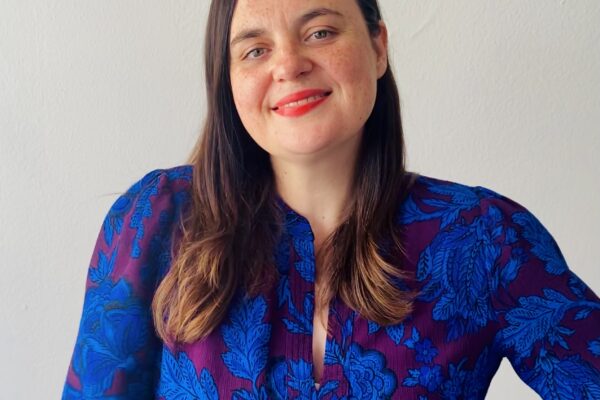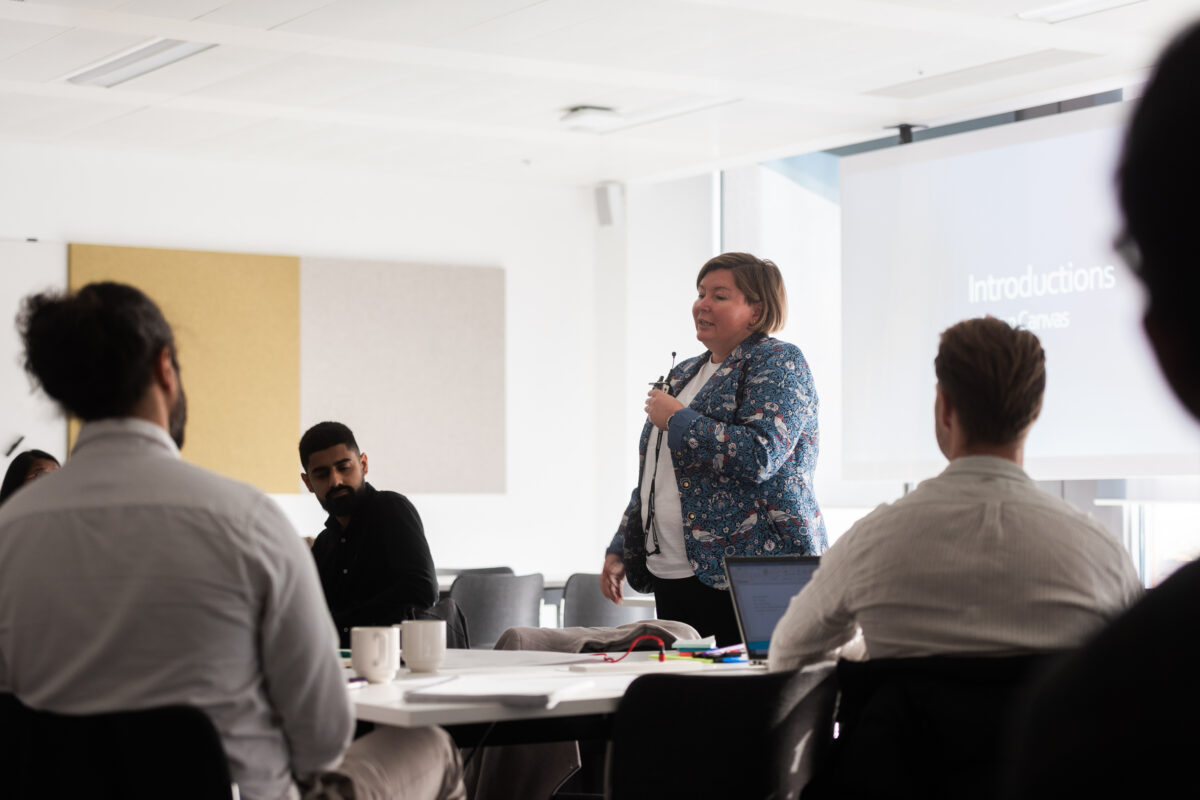
Founder: Adele Hill, Founder and CEO (Allied Health Professions Doctoral Fellow, Queen Mary University of London)
Success stories
Nanteos Tech: Spotting serious spinal conditions sooner
Back pain is one of the most common reasons for visiting a doctor, and in most cases, it is not caused by a serious underlying condition. However, for the 2% of patients whose pain is a symptom of a significant spinal pathology – such as a fracture, tumour or infection – early and accurate identification is critical. Distinguishing these rare but serious cases from general back pain is a major clinical challenge. Nanteos Tech, a venture founded by researcher and physiotherapist Adele Hill, is developing an innovative digital tool to help clinicians make these crucial decisions with greater confidence.
The idea for the venture stems from Adele’s long-standing interest in applying mathematical techniques to improve clinical decision-making. During her doctoral fellowship, this interest evolved into a tangible research project. “When I was offered the opportunity to collaborate on research into using these techniques for MSK conditions I jumped at the chance,” she recalls. “Once we had a working prototype of our decision-making app for spinal pathology, there was a lot of interest from clinical colleagues.” Recognising the clear need and potential for impact, she saw a path to commercialisation.
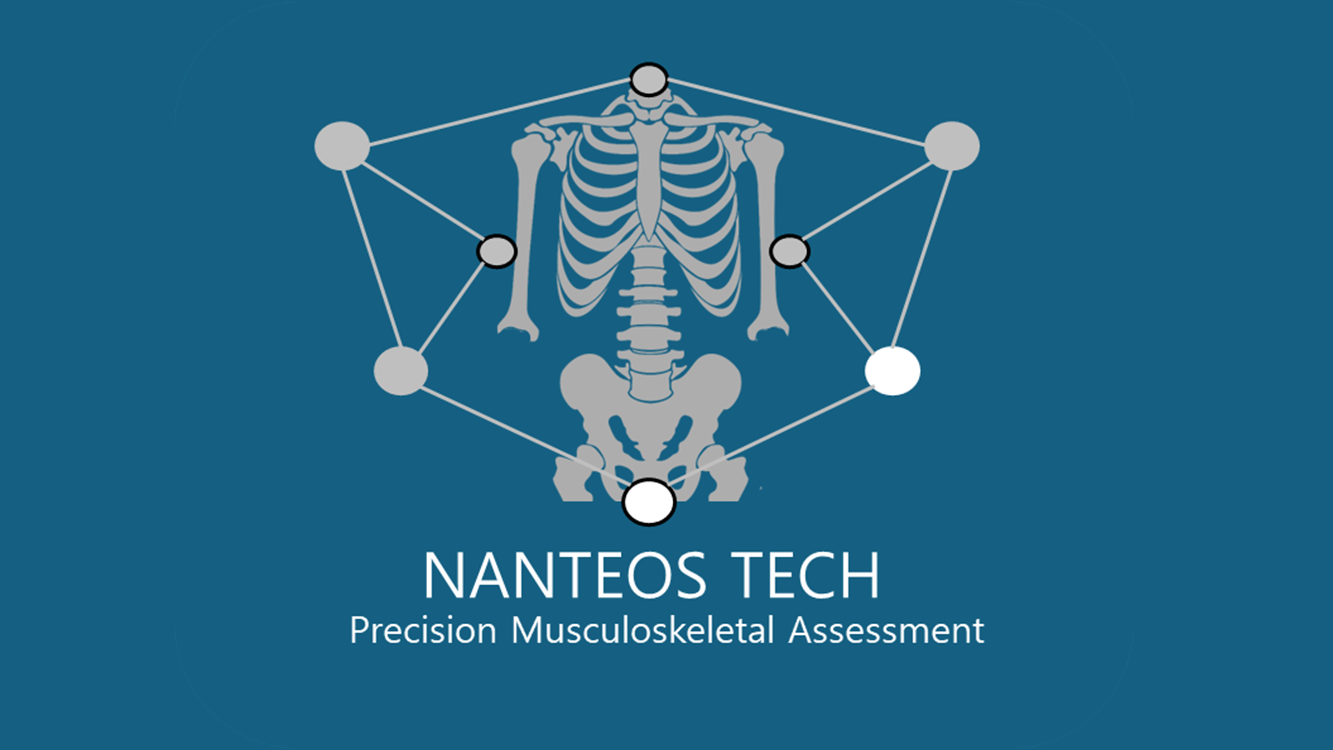
Nanteos Tech is a clinician-facing app
Nanteos Tech is a clinician-facing app designed to be used during a patient consultation. It uses a sophisticated Bayesian Network – an artificial intelligence (AI) technique that combines expert knowledge with clinical evidence – to provide a personalised risk assessment. “Our app helps doctors, nurses and physios to screen patients and assess the risk of these conditions so they can be investigated and treated earlier, and prevent permanent spinal damage,” Adele explains. By flagging high-risk patients sooner, the tool aims to reduce the devastating health consequences of a late diagnosis and cut the significant litigation and ongoing care costs associated with missed pathologies.
The research underpinning the app has been rigorously developed and validated, leading to publications in academic journals, including JMIR Formative Research and JMIR Research Protocols. The work has also been presented on the world stage at international physiotherapy congresses in Tokyo and Basel. Early feedback from clinicians has been extremely positive, confirming that the tool would be a valuable addition to their practice. The research has been supported by grants from the National Institute for Health and Care Research (NIHR) and Bart’s Charity.
Now in the pre-seed stage, Nanteos Tech is focused on refining the app’s design and adding new features to enhance its usability in a busy clinic. The next major step is to secure a product development award to fund a full clinical trial and gain the necessary MHRA approval for use in the UK health system.
Adele credits the MedTech SuperConnector (MTSC) with providing the essential framework and knowledge to move the project from the lab toward the clinic. “The MTSC really helped me to think beyond a research mindset, and explore the possibilities of commercialising my application,” she says. “I have a much better understanding of how to take this from a research project to a commercial product, and a roadmap of how to get to where I would like the app to go.” With this clear path forward, Nanteos Tech is poised to provide a vital safety net for clinicians and patients alike.